What Are AGVs (Automated Guided Vehicles)? A Complete Guide to Warehouse Automation
Discover how AGVs are revolutionizing warehouse automation. Learn about different types, key advantages, and how these driverless systems improve productivity and safety in modern logistics.
What Are AGVs (Automated Guided Vehicles)? A Complete Guide to Warehouse Automation
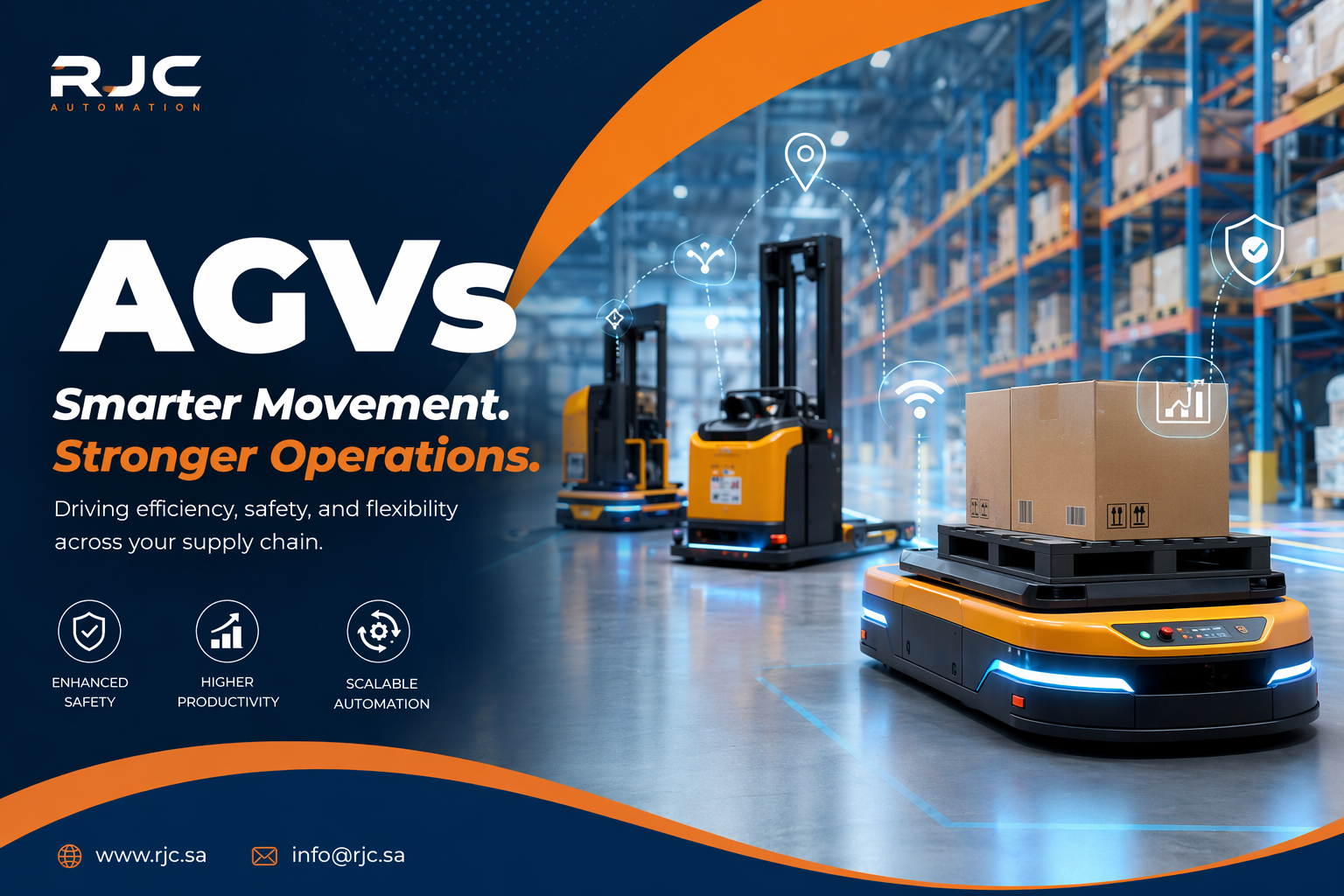
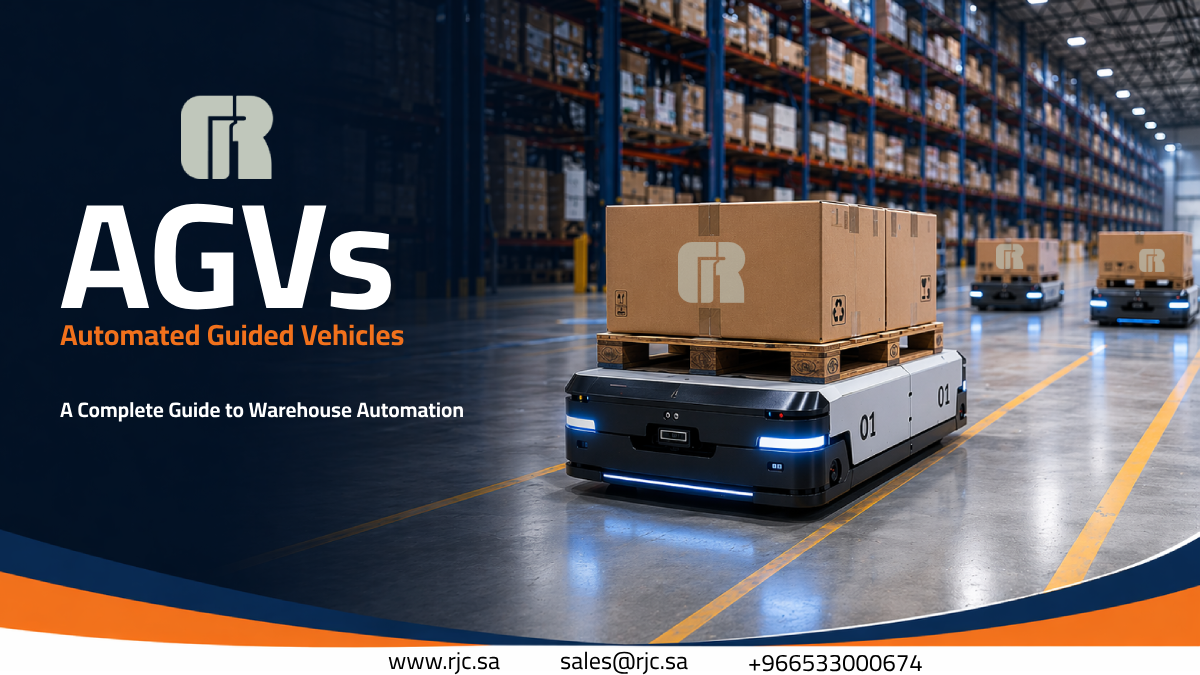
Automated Guided Vehicles (AGVs) are transforming modern warehouses and industrial operations by enabling efficient, safe, and fully automated material handling. From pallet transport to high-bay storage and order picking, AGVs are becoming a key component in smart logistics systems.
What is an AGV?
An Automated Guided Vehicle (AGV) is a driverless vehicle used in warehouses, factories, and distribution centers to transport goods automatically. These vehicles follow predefined paths or use advanced navigation systems such as laser guidance, QR codes, or SLAM (Simultaneous Localization and Mapping).
Types of AGVs
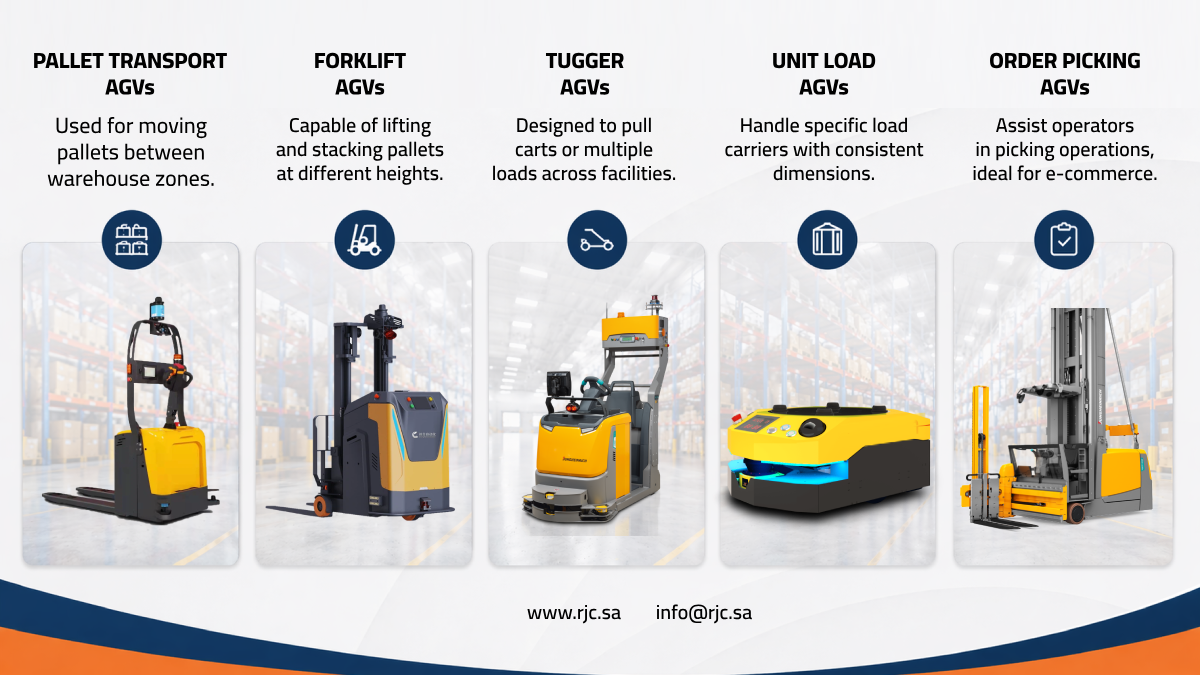
1. Pallet Transport AGVs
Used for moving pallets between warehouse zones such as receiving, storage, and shipping.
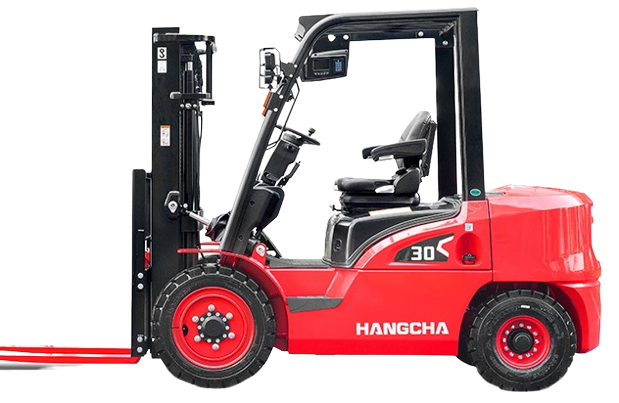
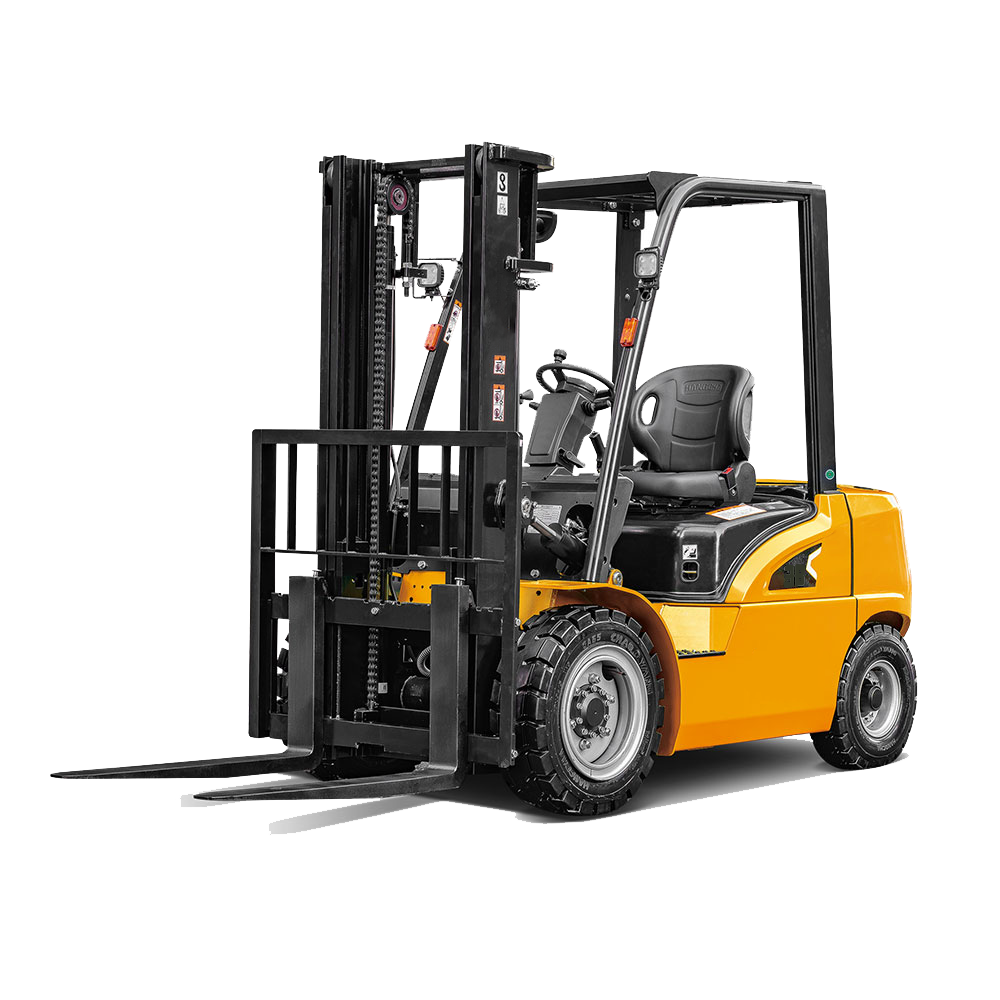
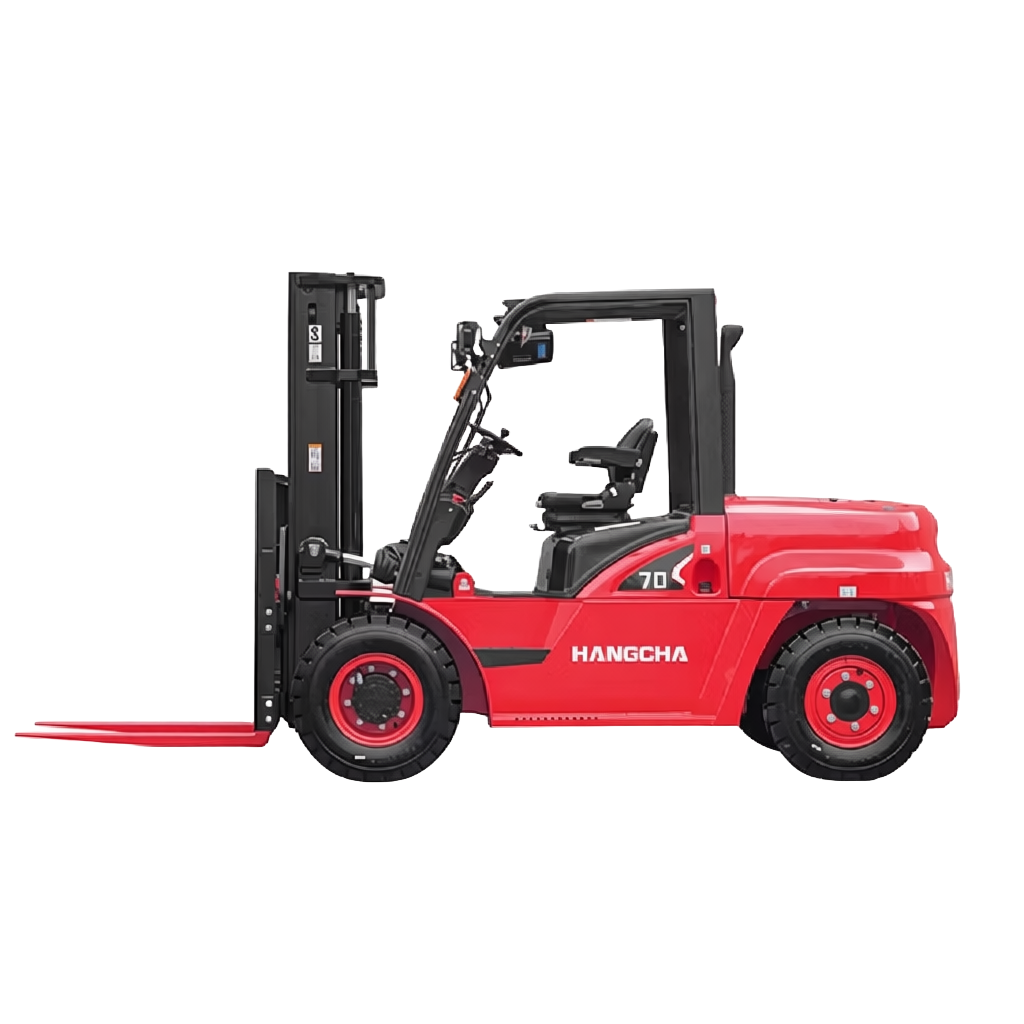
2. Forklift AGVs
Capable of lifting and stacking pallets at different heights, similar to traditional forklifts.
3. Tugger AGVs
Designed to pull carts or multiple loads across production lines or warehouses.
4. Unit Load AGVs
Handle specific load carriers with consistent dimensions for automated transport.
5. Order Picking AGVs
Assist operators in picking operations, improving efficiency in e-commerce and distribution centers.
How AGVs Work
AGVs operate using a combination of sensors, software, and navigation technologies. A central control system assigns tasks and manages routes, while onboard sensors ensure safe movement and obstacle detection.
- Navigation via laser, magnetic tape, QR codes, or SLAM
- Communication with warehouse management systems (WMS)
- Safety systems including scanners and emergency stop functions
- Battery management with automatic or opportunity charging
Key Benefits of AGVs
Where Are AGVs Used?
AGVs are widely used across multiple industries:
- Warehousing and logistics centers
- Manufacturing and production lines
- Cold storage facilities
- E-commerce fulfillment centers
- Automotive and heavy industries
AGV Requirements and Limitations
Ideal conditions:
- Stable indoor environment
- Even concrete floors
- Standardized load types
- Predictable workflows
Limitations:
- Not suitable for uneven or outdoor environments
- Performance affected by extreme temperatures
- Requires structured processes and layout planning
AGV vs AMR: What’s the Difference?
While AGVs follow fixed paths, Autonomous Mobile Robots (AMRs) use advanced navigation to move dynamically within the environment. AMRs offer more flexibility, while AGVs are typically more structured and predictable.
Is AGV Right for Your Business?
AGVs are best suited for operations with repetitive tasks, high throughput, and consistent workflows. If your warehouse processes are stable and standardized, automation can deliver significant ROI.
Conclusion
Automated Guided Vehicles are a powerful solution for modern material handling challenges. By improving efficiency, safety, and operational consistency, AGVs play a key role in the transition toward smart warehouses and Industry 4.0.




Comments (0)