How Ground Conditions Affect the Choice of Lifting Equipment
Ground conditions have a direct impact on lifting equipment safety, stability, and performance. This article explains how smooth floors, rough terrain, sandy ground, and sloped surfaces affect the choice of the right machine for the job.
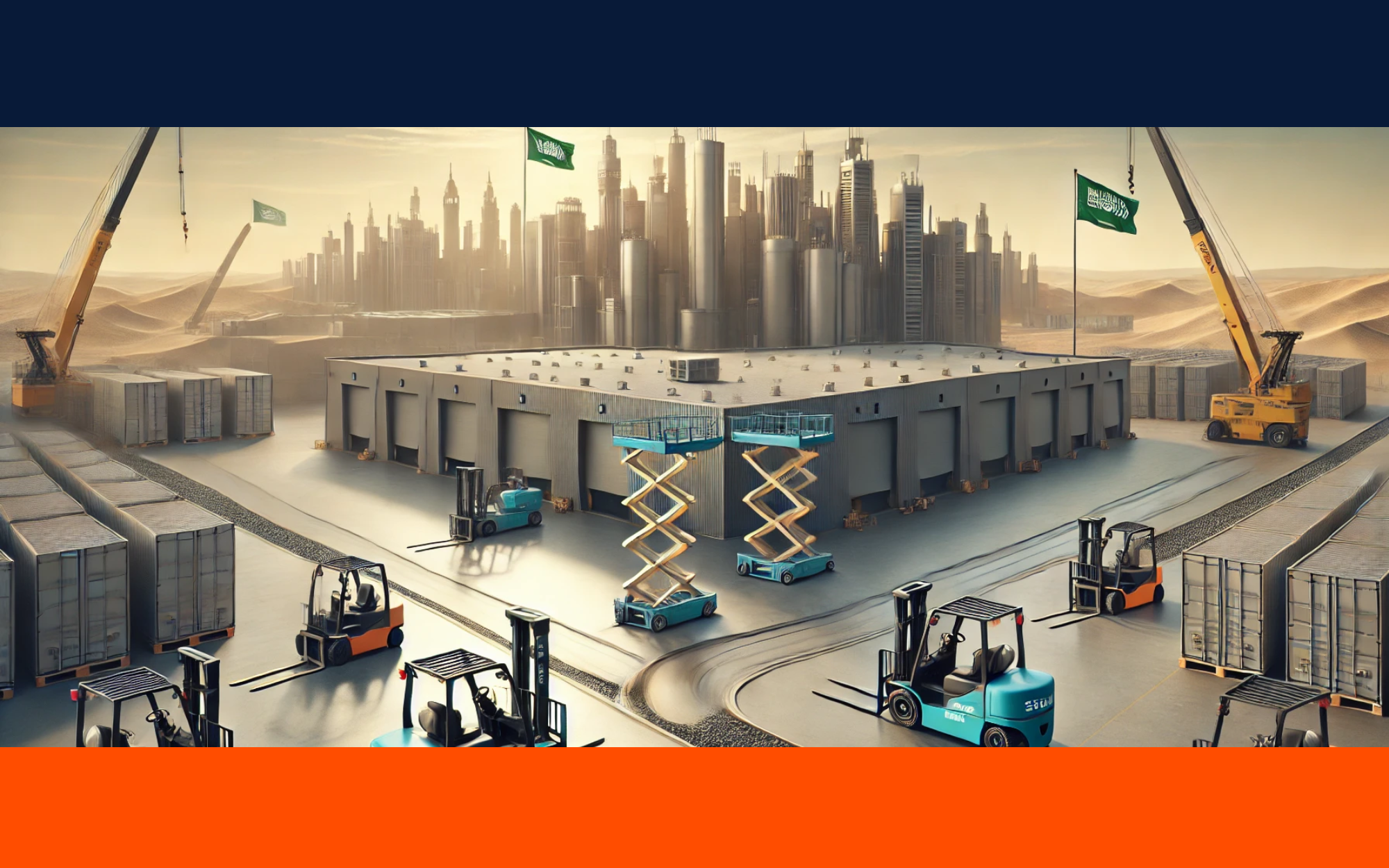
How Ground Conditions Affect the Choice of Lifting Equipment
Choosing lifting equipment is not only about working height or load capacity. Ground conditions at the job site play a direct role in machine stability, mobility, safety, and overall suitability for the task. A site may have smooth concrete, rough terrain, loose sand, sloped surfaces, or delicate finished flooring, and each condition changes what type of equipment should be used. In this guide, we explain how ground type affects equipment selection and what should be evaluated before rental or operation.
Why Ground Conditions Matter
Ground conditions affect machine stability, ease of movement, and the ability to reach the work area safely. Even when a machine is technically suitable in terms of height or capacity, it may still be unsafe or impractical if the surface cannot properly support it or provide the required traction and balance.
That is why correct equipment selection begins with understanding the real site environment. Is the surface level? Is it firm or soft? Is there slope, moisture, loose material, or visible damage? These factors all influence which machine is most appropriate for the job.
Common Ground Types and Their Impact
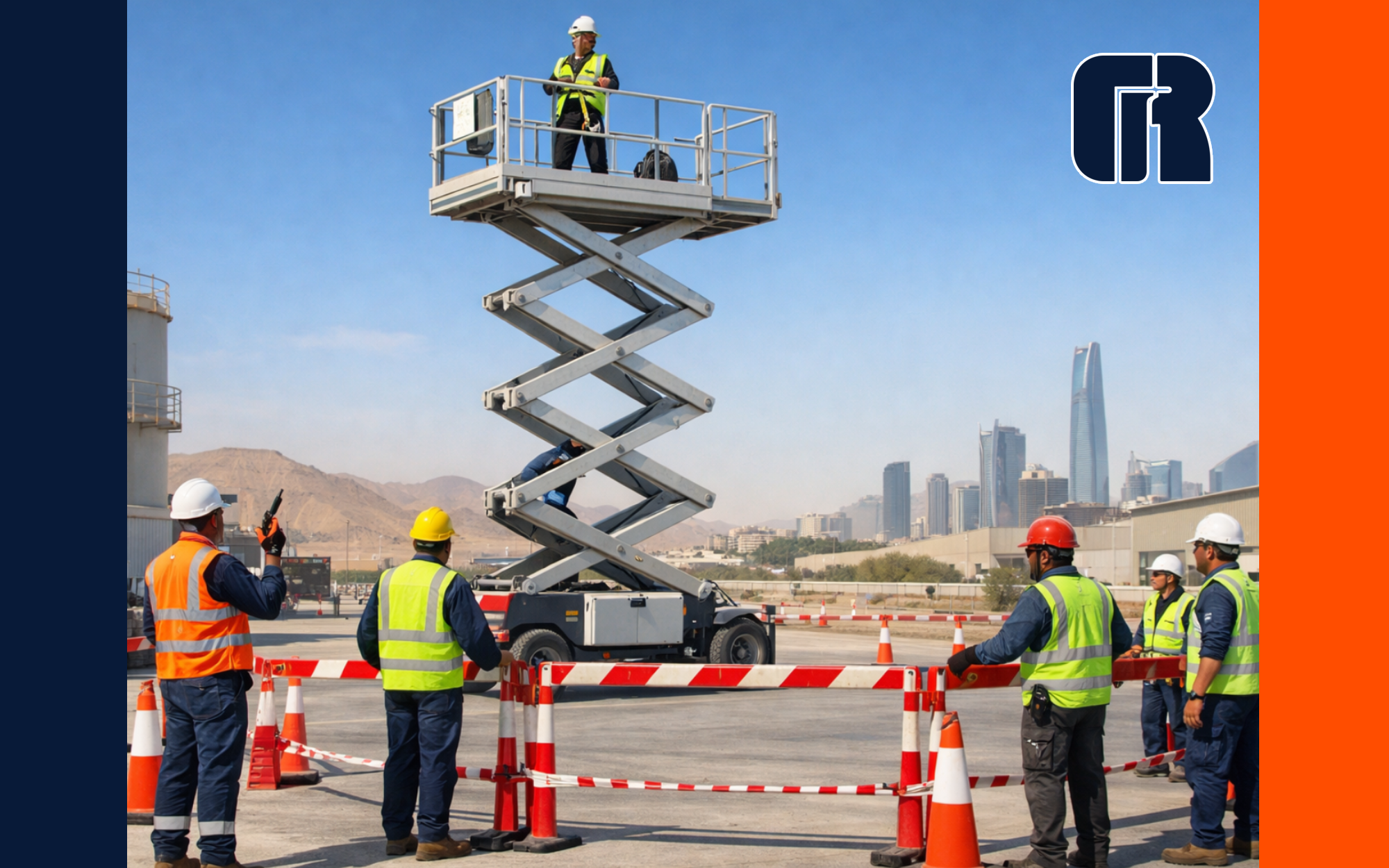
Common in warehouses, factories, and commercial buildings. These surfaces often suit electric equipment and machines designed for level indoor operation, such as electric scissor lifts and electric forklifts.
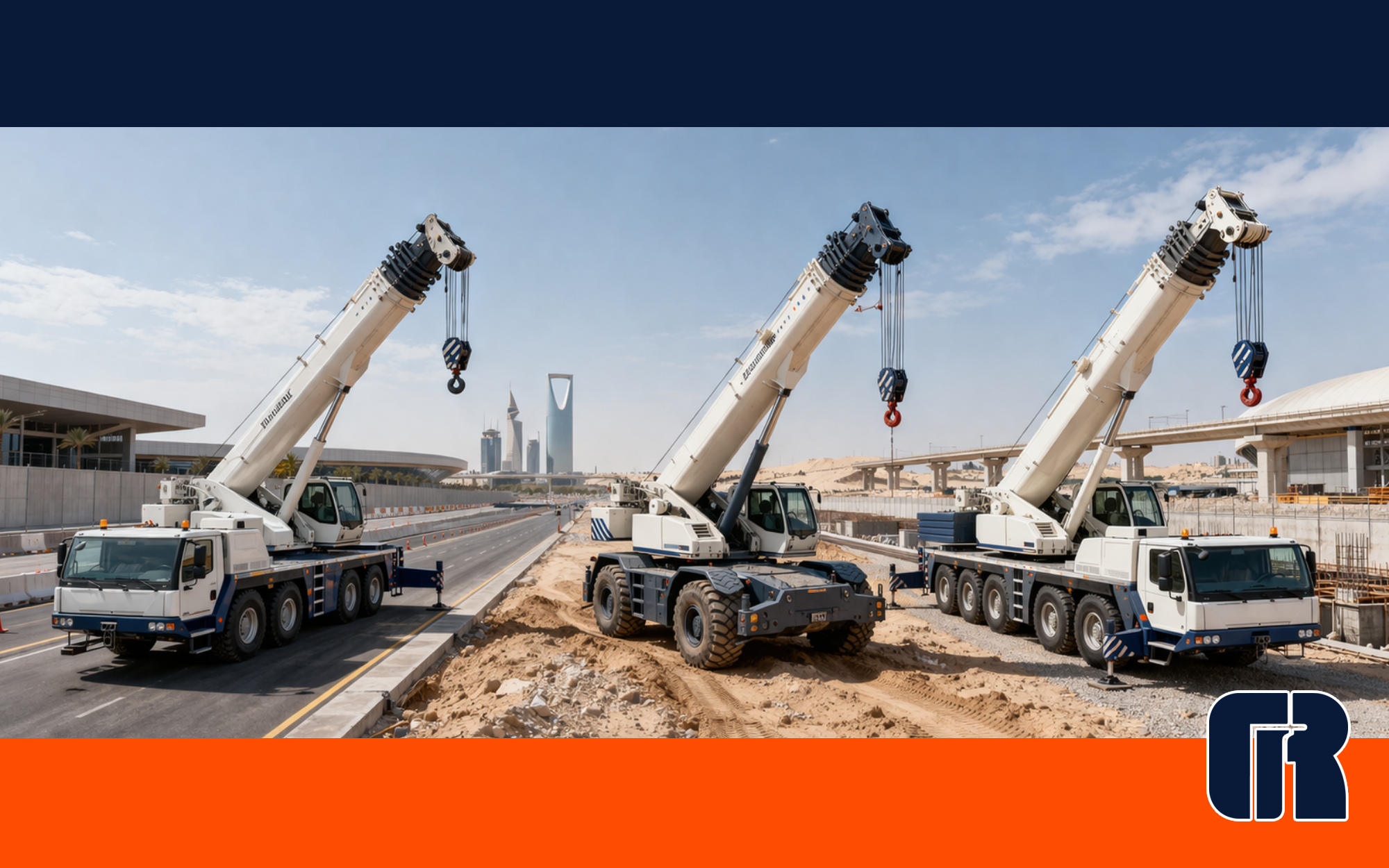
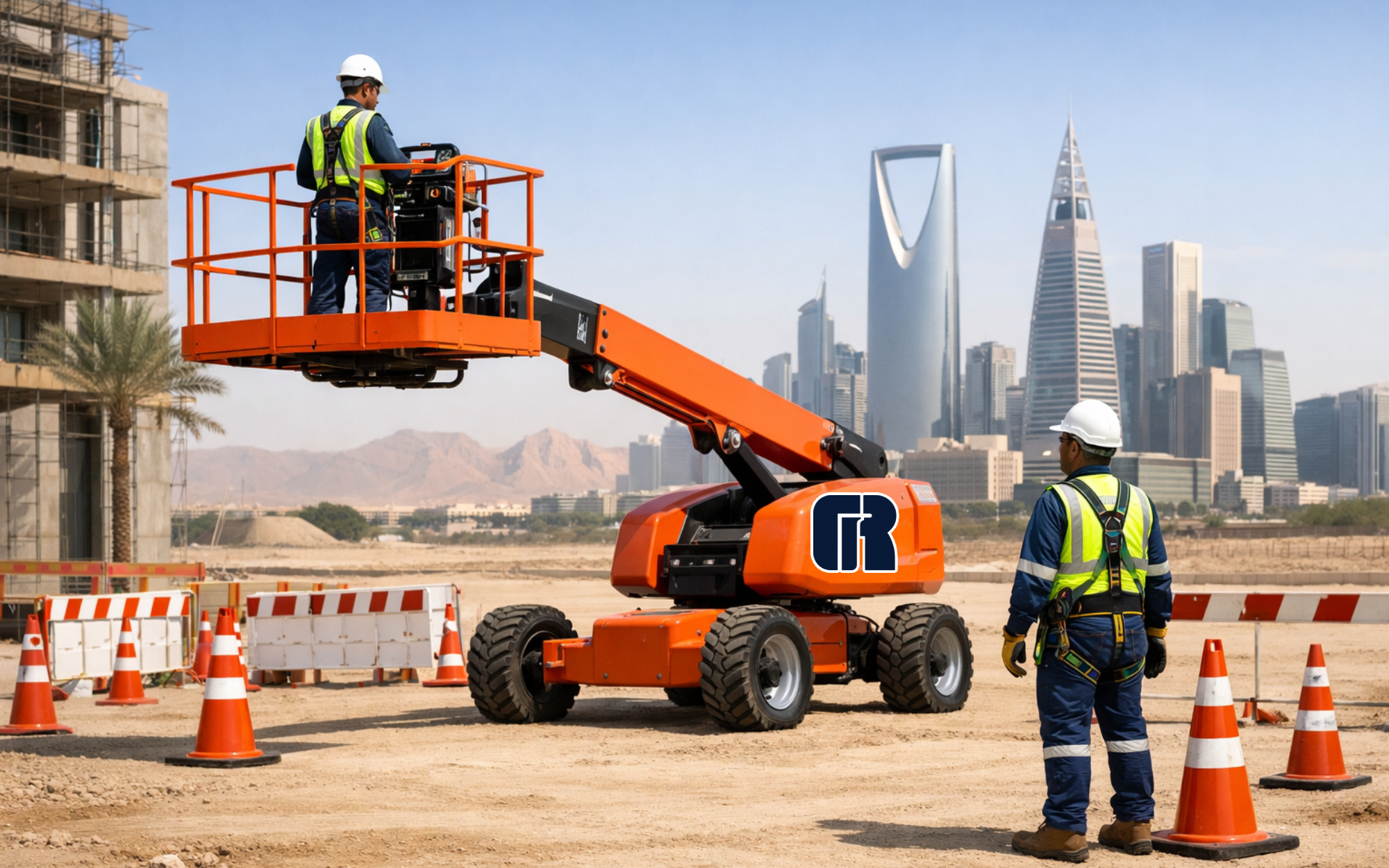
Construction sites and unprepared outdoor areas often require machines built for rough terrain, with larger tires, higher ground clearance, and stronger performance on difficult surfaces.
These surfaces can cause wheels or support points to sink, creating instability during movement or lifting. In such cases, surface bearing strength becomes a critical part of the equipment decision.
Sloped ground affects center of gravity and machine balance, while delicate finished surfaces may require lighter equipment or more suitable tire types to avoid damage.
What Should Be Checked Before Selecting a Machine?
Before ordering a lifting machine, the site should be assessed realistically. In many cases, decision-makers focus only on working height, while the actual limitation is the floor or ground condition itself. Early evaluation helps reduce selection errors and improves operational safety and efficiency.
Key Questions to Ask Before Making a Decision
Smooth Concrete Floors: When Are They Ideal?
On clean, level concrete floors, electric machines are often an excellent choice because they offer smooth movement, low emissions, and lower noise for indoor environments such as warehouses and commercial facilities.
Even concrete surfaces may contain cracks, openings, weak zones, or hidden load issues. The floor must still be checked to confirm it can safely support the machine under actual operating conditions.
Rough Ground: Why Specialized Equipment Matters
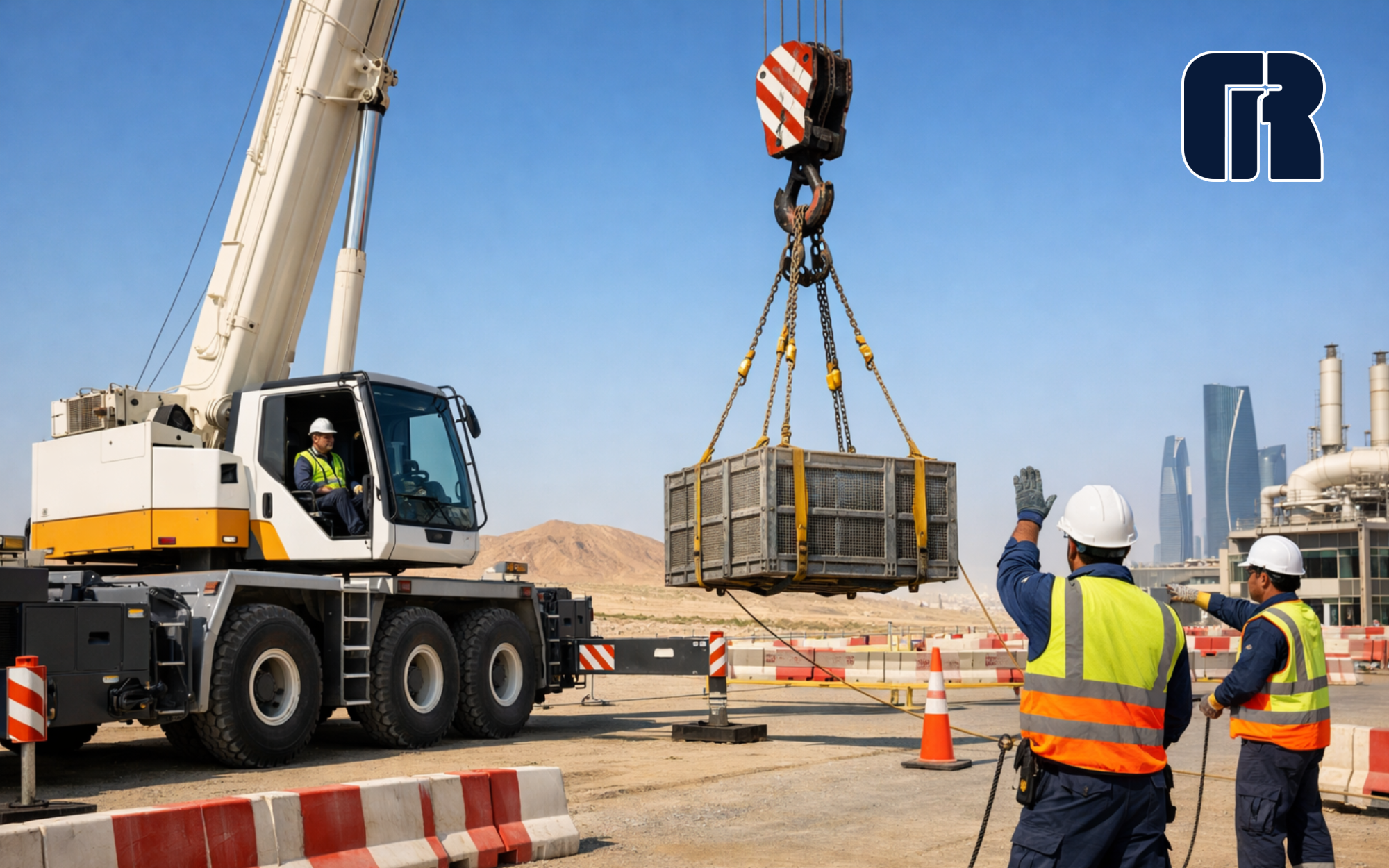
Outdoor job sites and construction zones rarely offer perfect operating surfaces. Using a machine designed for smooth floors on rough terrain can lead to poor maneuverability, reduced stability, and greater risk of stoppage or unsafe operation.
Larger Tires
Bigger tires built for outdoor work improve ground contact and help the machine move more safely over uneven areas.
Higher Ground Clearance
Greater clearance helps the machine travel over gravel, small obstacles, and uneven surfaces with less disruption.
Better Stability
Machines designed for outdoor conditions are generally better suited for demanding terrain that requires more strength and stability.
Safer Travel
The closer the machine matches the terrain, the lower the risk of slipping, jolting, or losing controlled movement.
Sandy and Soft Ground: Where Is the Risk?
Wheels or support points may sink into the surface and change the machine’s working position. The surface may appear stable at first but fail under the actual machine load. Uneven sinking can reduce stability and increase risk during lifting or access work. Some situations may require additional load distribution measures depending on site conditions and safety planning. Ignoring soil or surface assessment can result in the wrong equipment choice even when the specifications look correct on paper.
How Slope and Moisture Affect the Decision
The issue is not only the surface type, but also the real operating condition at the time of use. Sloped ground affects center of gravity and balance, while water, oil, or mud can reduce traction and make movement or stopping more hazardous.
Even a slight slope can affect machine positioning and movement, so it is important to know whether the unit will travel on a slope or operate from a fixed level point.
Water, oil, or mud can turn an otherwise acceptable surface into a hazardous one, especially during travel or stopping.
Some epoxy floors, tiles, or finished indoor surfaces may require lighter machines or more suitable tire types to avoid damage.
Common Mistakes When Choosing Lifting Equipment
Many poor decisions begin when the machine is selected based only on working height, without reviewing the ground condition, travel path, or the need for movement within the site.
Other common mistakes include using indoor machines on outdoor terrain, ignoring floor load capacity, or assuming a site is safe simply because it appears level at first glance.
Final Thoughts
Ground conditions are not a minor detail. They are a core part of lifting equipment selection. Smooth concrete floors suit very different machines from those required on rough, sandy, sloped, or delicate surfaces, and every site should be evaluated carefully before choosing equipment.
When the ground is assessed correctly from the start, equipment selection becomes safer, more efficient, and less likely to lead to downtime, damage, or operational risk on site.
Need Help Choosing the Right Lifting Equipment for Your Site?
Whether your project is inside a warehouse, on rough terrain, or on a surface that needs careful evaluation, Rakaz Al Joudah General Contracting can help you choose the right machine based on ground type, working height, and site operating requirements.
Comments (0)