Racking Systems Types and How to Choose the Right One for Your Operation
Learn the main types of warehouse racking systems, how each one works, and how to choose the right storage solution based on product type, stock rotation, space, and operational needs.
Racking Systems Types and How to Choose the Right One for Your Operation
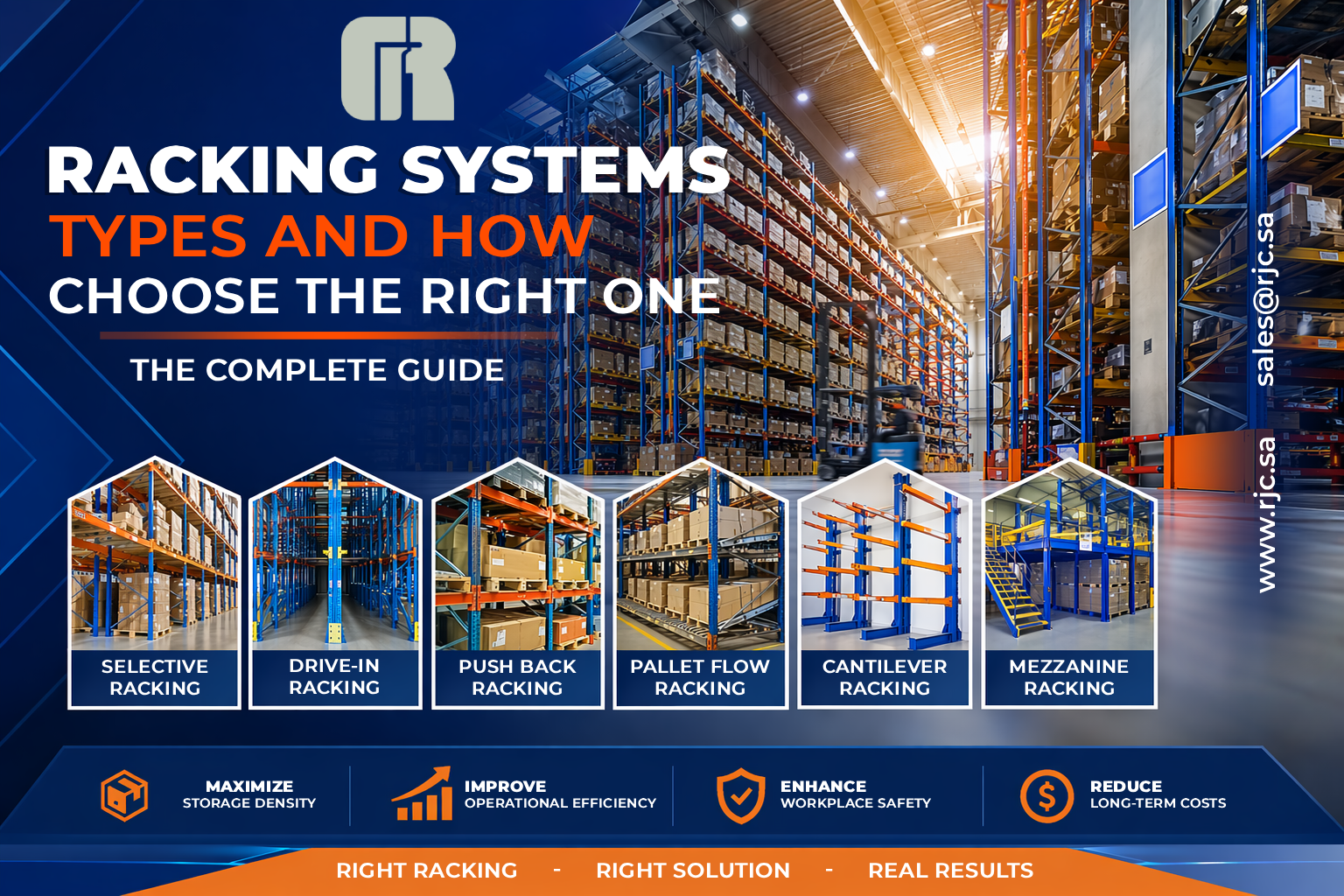
Choosing the right racking system is one of the most important decisions in warehouse planning. The correct layout can improve storage density, stock accessibility, picking speed, forklift flow, safety, and long-term operational efficiency. The wrong system can waste valuable space, slow down handling, increase product damage, and make future growth more difficult. This guide explains the main types of warehouse racking systems, where each one works best, and how to select the right solution for your business from both operational and practical perspectives.
What Is a Racking System?
A racking system is a structured storage solution designed to organize goods inside warehouses, factories, logistics facilities, and distribution centers. It can be used for palletized products, cartons, long materials, spare parts, and mixed inventory. The main purpose of racking is to use available space more efficiently while keeping products accessible for loading, unloading, replenishment, and order picking.
Not all racking systems are built for the same job. Some are designed for maximum selectivity, some for higher storage density, and others for faster stock rotation or more efficient manual picking. That is why choosing racking should never be based on appearance or price alone. It should be based on how the operation actually runs every day.
Why the Right Racking System Matters
The right warehouse racking layout does much more than hold products off the floor. It influences how quickly inventory can be accessed, how safely forklifts can move, how efficiently orders can be picked, and how well the building’s cubic space can be used.
A well-planned racking system can help your operation:
- Increase usable pallet positions without expanding the building
- Improve direct access to inventory
- Support FIFO, LIFO, or mixed stock rotation methods
- Reduce travel time for forklifts and warehouse staff
- Improve picking productivity and replenishment flow
- Lower product damage caused by poor storage practices
- Create a cleaner and safer warehouse environment
- Support future changes in SKU count, throughput, or storage strategy
In many cases, businesses focus too much on storage density and forget the full picture. A racking system must also work with the building layout, floor condition, pallet quality, handling equipment, stock movement, and operational goals.
Main Types of Racking Systems
1) Selective Pallet Racking
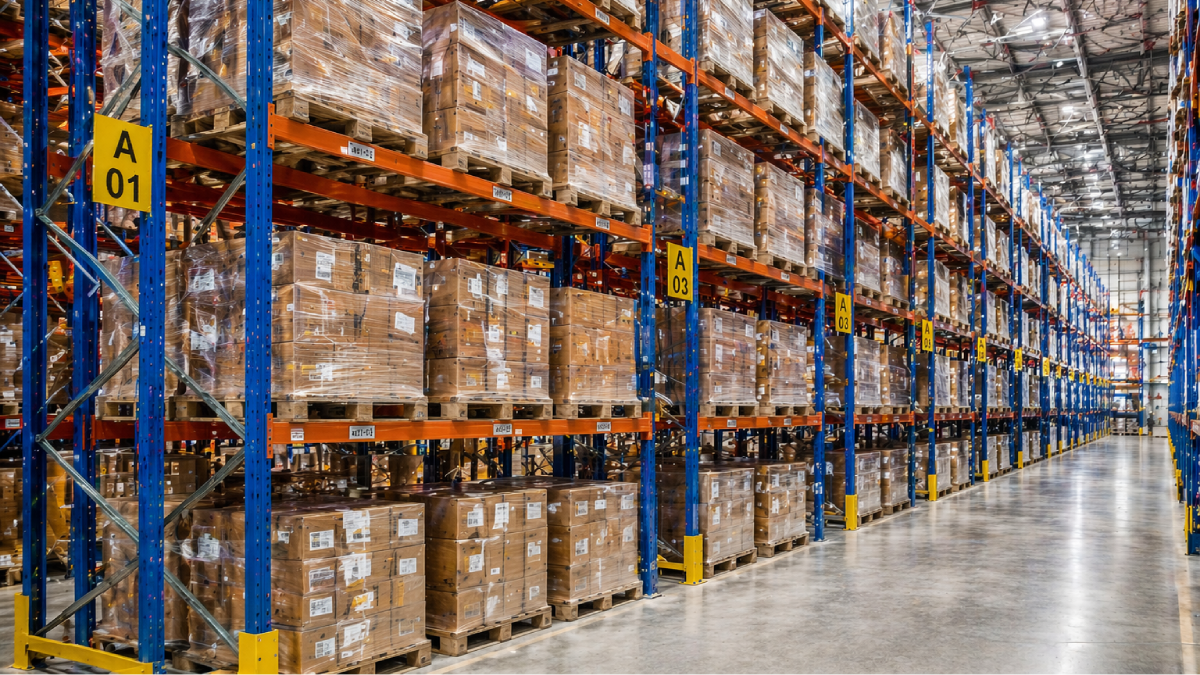
Selective pallet racking is the most widely used warehouse racking system. It provides direct access to every pallet location, which makes it highly flexible and easy to manage. This system is ideal for operations with many SKUs, varying stock levels, and regular picking activity.
Best for: General warehousing, mixed inventory, spare parts, retail distribution
Main advantage: Every pallet is directly accessible
Main limitation: Lower storage density than deep-lane systems
If your operation needs flexibility and fast access to many different products, selective racking is usually the safest and most practical starting point.
2) Double-Deep Racking
Double-deep racking is a denser variation of selective racking. Instead of storing one pallet deep, pallets are stored two deep. This reduces aisle requirements and increases storage capacity, but it also reduces selectivity because the front pallet must be removed before the back pallet can be reached.
Best for: Medium SKU count with multiple pallets per SKU
Main advantage: Better space utilization than standard selective racking
Main limitation: Reduced accessibility and more specialized handling
This system works well when the operation has moderate product variety and larger quantities per product line.
3) Very Narrow Aisle (VNA) Racking
VNA racking is designed to maximize warehouse cube utilization by reducing aisle width significantly. Narrower aisles allow more rack rows inside the same building footprint, making this system especially attractive in high-clear warehouses where floor space is expensive.
Best for: High-bay warehouses and operations focused on space optimization
Main advantage: Excellent use of available building volume
Main limitation: Requires specialist trucks and tighter floor tolerances
VNA systems can deliver very strong capacity gains, but they must be planned around the right trucks, floor flatness, lift heights, and operating discipline.
4) Drive-In and Drive-Through Racking
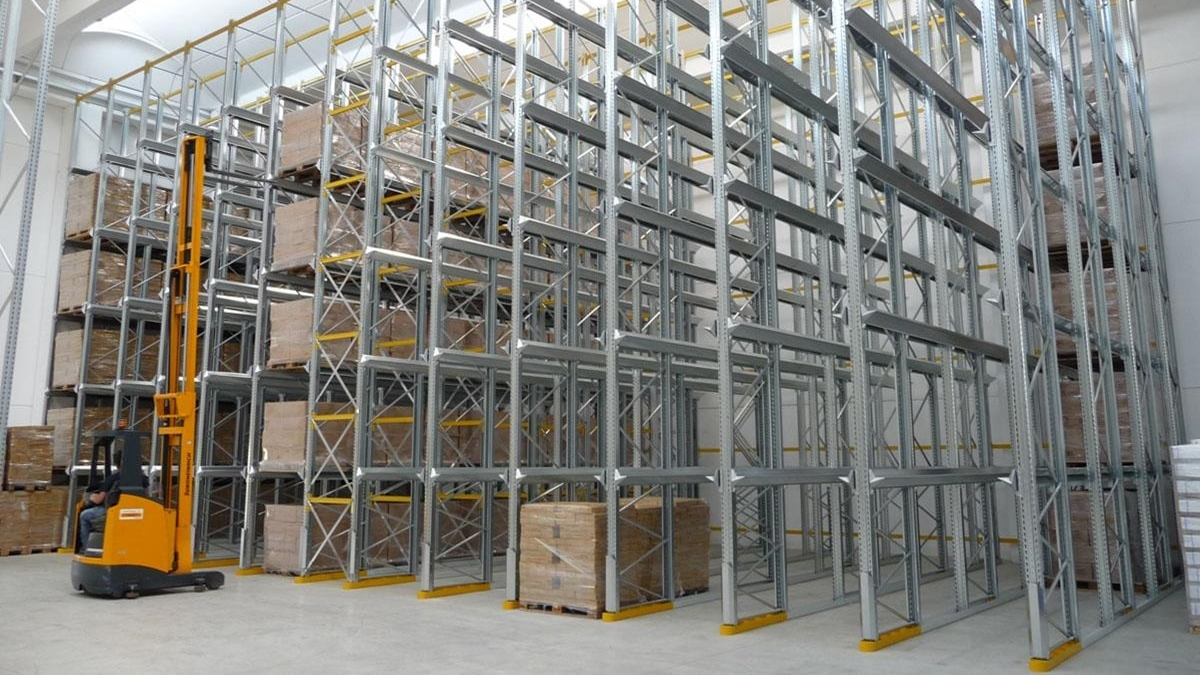
Drive-in and drive-through racking are high-density systems designed for storing larger quantities of the same SKU. Forklifts enter the storage lanes to place and retrieve pallets.
In a drive-in layout, loading and unloading usually happen from the same side, which often supports LIFO stock rotation. In a drive-through layout, loading can happen from one side and unloading from the other, which can better support FIFO depending on the application.
Best for: Cold storage, bulk storage, low SKU count with high pallet volume
Main advantage: Very high storage density
Main limitation: Lower selectivity and more forklift entry into the rack structure
These systems are best suited to operations where density matters more than direct access to every pallet.
5) Push-Back Racking
Push-back racking stores pallets on nested carts or rollers inside slightly inclined lanes. When a new pallet is loaded, it pushes the previous pallet backward. When the front pallet is removed, the next pallet automatically rolls into position.
Best for: Medium-density storage with several pallets per SKU
Main advantage: Good balance between density and accessibility
Main limitation: Typically operates on a LIFO basis
Push-back racking is often selected when a business wants better density than selective racking without using full drive-in lane storage.
6) Pallet Flow Racking
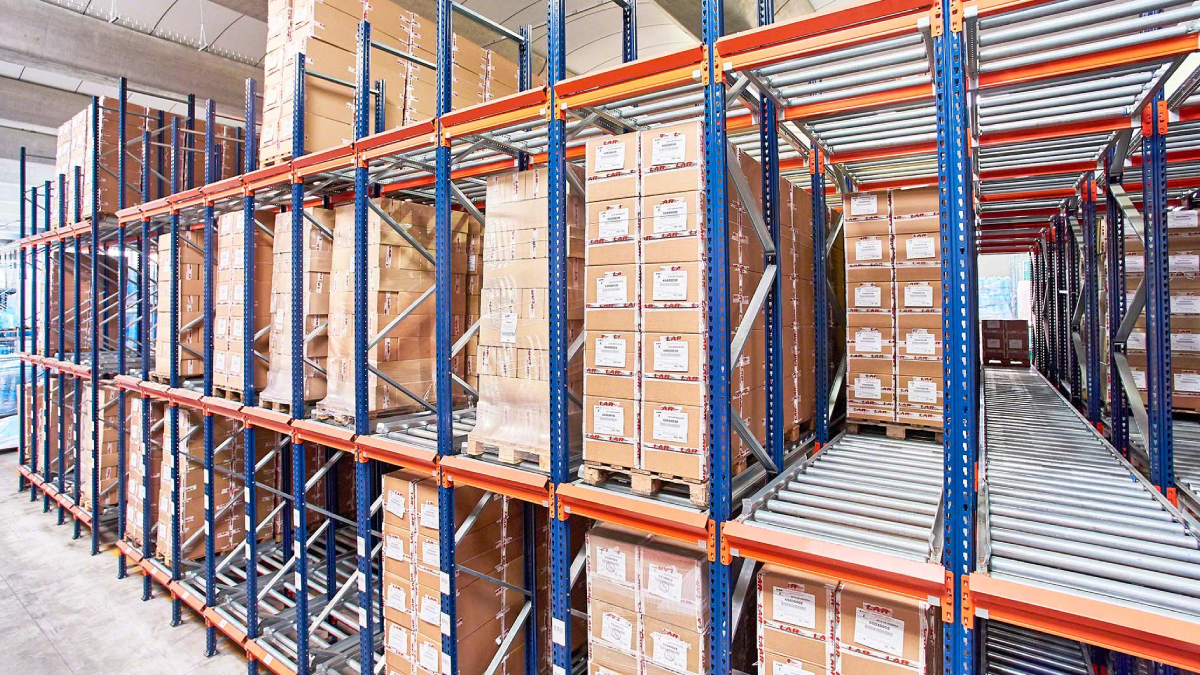
Pallet flow racking uses gravity roller lanes to move pallets from the loading side to the retrieval side. This design supports FIFO stock rotation and is commonly used in operations where product age, batch sequence, or expiry management matters.
Best for: Food, beverage, fast-moving goods, date-sensitive inventory
Main advantage: High-density storage with strong FIFO control
Main limitation: Higher cost and greater dependence on pallet quality
This is a strong option when product freshness and continuous stock movement are operational priorities.
7) Carton Flow Racking
Carton flow racking applies the same gravity-fed concept to cartons, totes, and smaller picking units. Products are loaded from the rear and move automatically toward the front pick face, which reduces travel and improves order picking efficiency.
Best for: Piece picking, e-commerce, fast-moving carton storage
Main advantage: Faster picking and smoother replenishment flow
Main limitation: Not suitable for every packaging size or weight
This system is commonly used in fulfillment areas where pick speed and organization matter more than full pallet storage.
8) Cantilever Racking
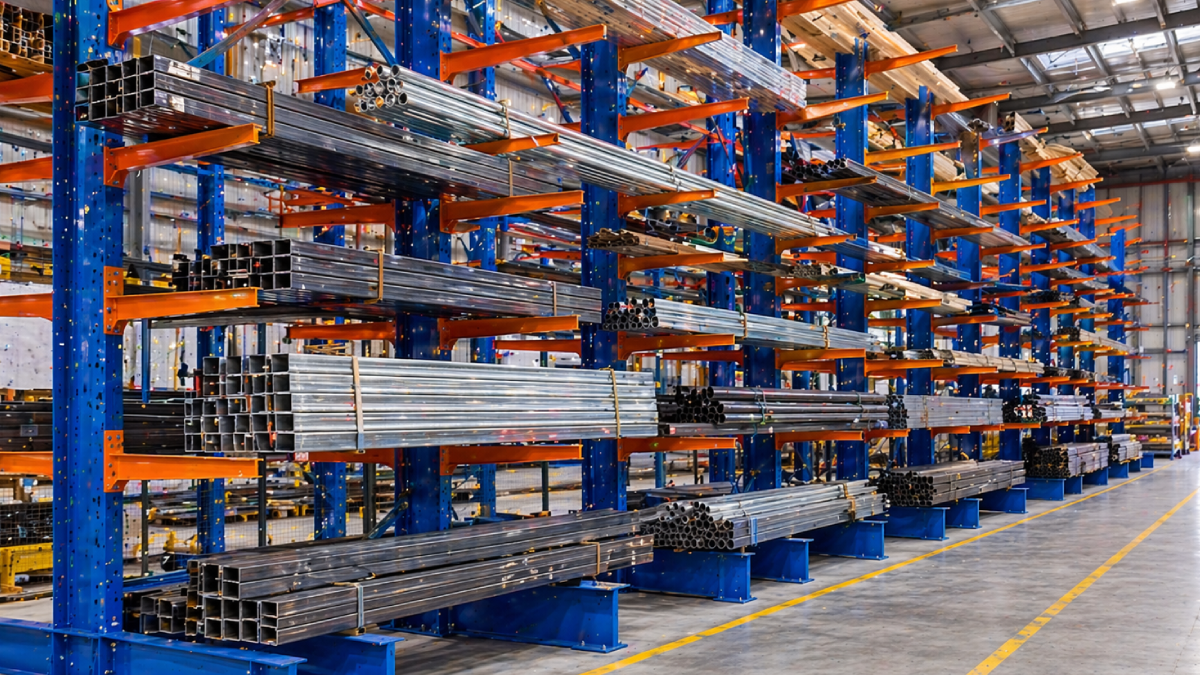
Cantilever racking is specifically designed for long, bulky, or irregular materials such as pipes, timber, steel sections, boards, and long machinery components. It uses arms extending from vertical columns, creating an open-front layout that makes loading and unloading easier.
Best for: Long materials, non-palletized products, awkward loads
Main advantage: Excellent access to long or oversized materials
Main limitation: Not intended for standard pallet storage
If the stored product is lengthy rather than palletized, cantilever racking is often the correct answer.
9) Mobile Racking
Mobile racking places rack rows on movable bases so aisles open only when needed. This reduces the number of permanent aisles and increases storage density significantly.
Best for: Cold rooms, archive storage, limited-space facilities
Main advantage: Very high space utilization
Main limitation: Slower simultaneous access to multiple aisles
Mobile systems are useful when density is the priority and access patterns are more controlled.
10) Mezzanine and Multi-Tier Systems
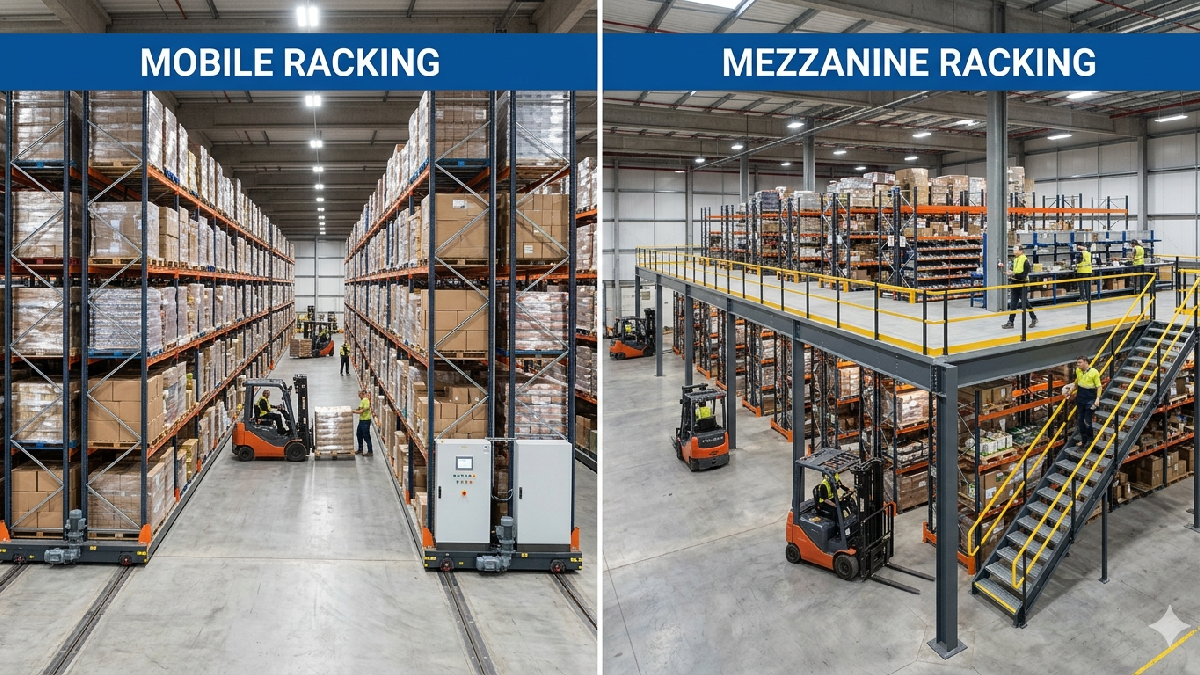
In many operations, the challenge is not only pallet storage but also order picking, spare parts storage, and small-item organization. Mezzanine-supported and multi-tier systems create additional usable levels within the same building footprint.
Best for: E-commerce, spare parts, small-item storage, manual picking operations
Main advantage: Adds usable storage and picking space inside the same building
Main limitation: Requires careful planning for movement, access, and safety
These systems are ideal when the warehouse needs more pick faces and better use of vertical space.
11) Shuttle and Semi-Automated Racking
Shuttle racking uses a powered shuttle device to move pallets inside storage lanes. This reduces forklift travel inside the racking and can improve both throughput and storage density, especially in larger and more repetitive operations.
Best for: High-density storage with repeated lane activity
Main advantage: Higher efficiency and reduced rack contact risk
Main limitation: Higher investment and more technical complexity
Shuttle systems can be a strong long-term solution where productivity and scalability justify the investment.
How to Choose the Right Racking System
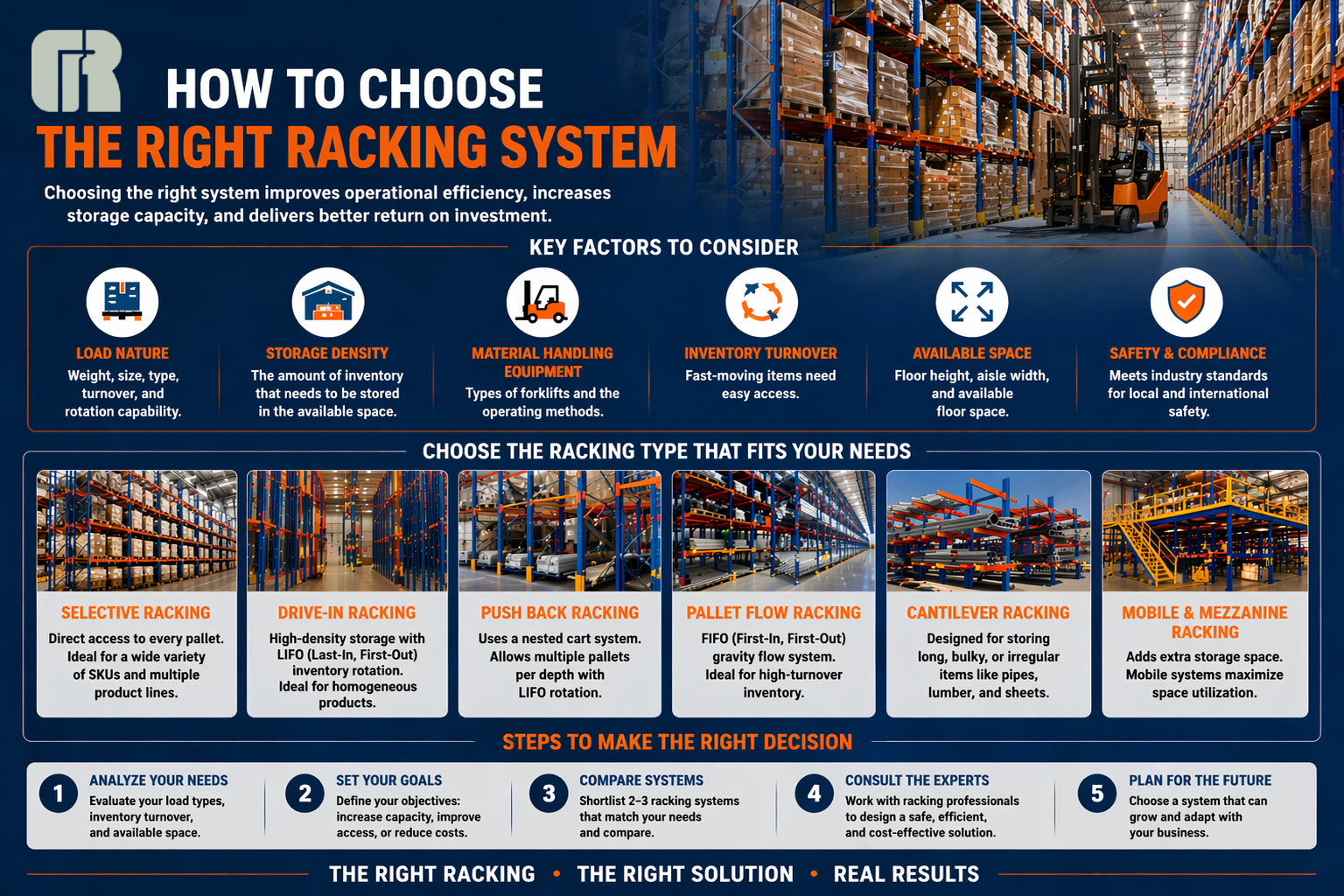
There is no single racking system that fits every operation. The right choice depends on the products, the warehouse building, the handling equipment, the stock rotation model, and the expected growth of the business.
1) Product Type and Load Characteristics
Start by understanding exactly what will be stored. Review pallet dimensions, pallet weight, load height, packaging consistency, product fragility, and whether the loads are uniform or mixed. A warehouse storing standard pallets requires a very different system from one storing pipes, fragile cartons, or irregular products.
2) SKU Count and Pallets per SKU
If the warehouse has many SKUs with only a few pallets per item, selective access becomes more important. If it has fewer SKUs with large stock quantities, higher-density systems may create better space efficiency.
3) Inventory Rotation Method
The required stock rotation method is one of the biggest decision factors.
- FIFO: First in, first out
- LIFO: Last in, first out
- FEFO: First expiry, first out
Pallet flow and carton flow usually support FIFO better, while push-back and drive-in systems commonly support LIFO.
4) Throughput and Picking Activity
Do not design a warehouse only for storage capacity. Design it for movement. Consider how many pallets move each day, how often products are picked, how replenishment works, and whether the facility is storage-heavy or pick-heavy.
5) Building Layout and Available Space
Clear height, column spacing, dock arrangement, staging areas, door access, and the overall shape of the building all influence which systems are practical. A tall warehouse may justify VNA or higher-bay solutions, while a compact site may benefit from denser storage systems.
6) Floor Condition and Load Capacity
Racking systems transfer concentrated loads to the floor, so floor strength and flatness matter, especially in taller, denser, or more specialized operations. Ignoring this can create both operational and safety problems.
7) Forklift Type and Aisle Width
The rack layout must match the equipment. Reach trucks, counterbalance forklifts, VNA trucks, and shuttle systems all require different aisle clearances, operating styles, and lift capabilities.
8) Safety and Operational Discipline
Safe racking depends on the structure, the load, the pallet quality, forklift behavior, protection systems, and inspection routines. Businesses should also plan for upright protection, visible load signs, regular inspections, and proper operator training.
9) Fire Protection and Site Requirements
Fire protection should be reviewed early because storage height, product type, packaging, and rack layout can all affect site requirements. Racking design should always align with the technical and safety rules of the facility.
10) Future Growth
The best solution should meet today’s needs without blocking tomorrow’s growth. Think ahead about future SKU growth, pallet count increases, order profile changes, and the possible introduction of automation.
Which Racking System Fits Which Operation?
- General distribution: Selective pallet racking
- Cold storage: Drive-in, push-back, or mobile racking
- Food and beverage: Pallet flow or carton flow for FIFO
- Manufacturing buffer storage: Selective, push-back, or drive-in depending on batch size
- Spare parts and maintenance: Selective, shelving, mezzanine, or multi-tier systems
- Long materials: Cantilever racking
- High-bay capacity-driven warehouses: VNA or shuttle-supported layouts
Common Mistakes When Choosing Warehouse Racking
- Choosing the cheapest option without evaluating operational impact
- Ignoring future growth in inventory or SKU range
- Focusing on density without considering accessibility
- Overlooking pallet condition and load consistency
- Forgetting aisle requirements and forklift maneuverability
- Ignoring floor limitations and building constraints
- Adding racking before reviewing fire protection and safety requirements
- Copying another warehouse layout without matching actual operational needs
A racking system should always be selected around the real products, movement patterns, and handling conditions of the site.
Final Thoughts
The best racking system is not simply the one that stores the most pallets. It is the one that matches your products, stock movement, access requirements, handling equipment, building constraints, and growth plans.
For many businesses, selective racking remains the most flexible and practical solution. For others, systems such as push-back, pallet flow, drive-in, VNA, mobile, shuttle, or cantilever racking may deliver far better operational results depending on the application.
The most successful storage projects begin with a clear understanding of what is being stored, how fast it moves, how it should rotate, how it will be handled, and how the operation is expected to grow. When those factors are aligned correctly, the racking system becomes a strategic asset that supports productivity, safety, and long-term efficiency.




Comments (0)