Reach Stackers – The Backbone of Modern Container Handling
Reach stackers are the most versatile mobile machines for lifting, stacking, and moving intermodal containers. With up to 45 tonnes capacity and 5‑high stacking, they outperform forklifts and fill the gap between yard cranes and heavy lift trucks. This article explores their key features, real‑world applications, and how they compare to alternatives like forklifts.
Reach Stackers – The Backbone of Modern Container Handling
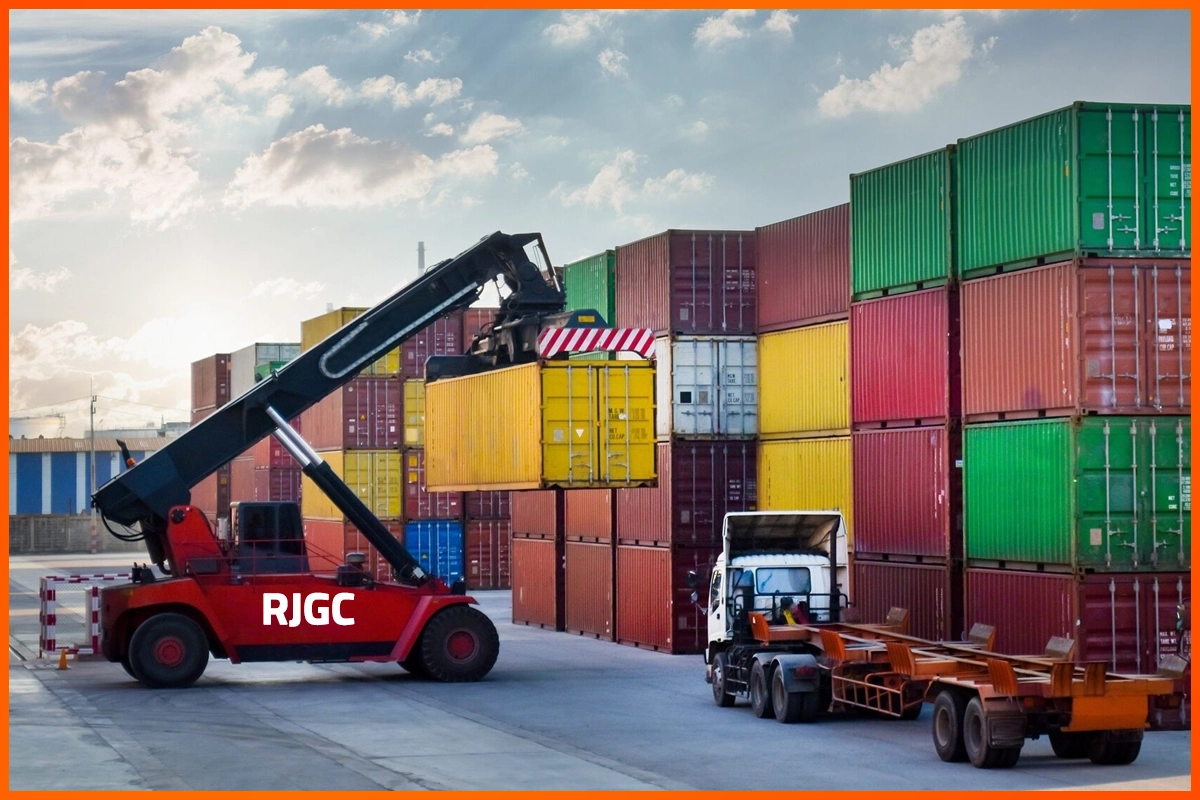
Reach stackers are heavy-duty mobile machines designed to lift, stack, and transport intermodal containers. With lifting capacities up to 45 tonnes and stacking heights of 5–6 containers high, they bridge the gap between forklifts and gantry cranes. Their telescopic boom and articulated chassis deliver unmatched agility in crowded terminals.
⬆️ Watch a reach stacker in action – stacking, slewing, and manoeuvring in a real terminal.
🔧 Key features & capabilities
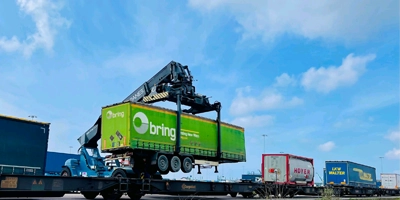
40–45 t capacity under spreader, with hydraulic boom extensions for 20' to 45' containers. Ideal for 1-over-5 or 2-over-4 stacking.
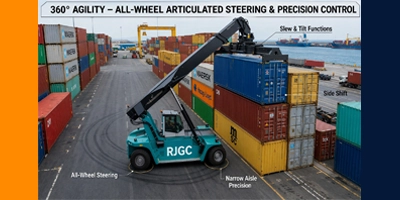
Articulated steering and all‑wheel drive allow precise manoeuvring in narrow aisles. Side shift, slew, and tilt functions make alignment effortless.
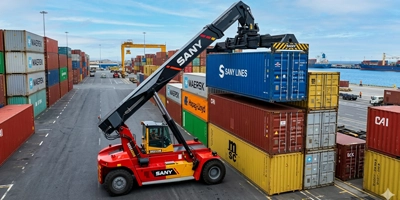
Stack containers 5 high (6 high with empty handlers) – maximise yard density without permanent crane infrastructure.
⚖️ Reach stacker vs. forklift – what’s the difference?
Heavy forklift
Limited to 2–3 high stacking; fixed mast reduces visibility. Better for ground‑level loading but inefficient for dense container yards.
Reach stacker
Boom extends forward/upward; can pick and place from second/third row. 5+ high stacking, faster cycle times, and 30% less yard space required.
Medium to large container terminals Intermodal rail / barge hubs Empty container depots (high stacking) Operations without rail‑mounted gantries
Lower stacking height (max 3 high) Requires wider lanes & more turns Higher labour cost per move
🏭 Real‑world applications
Reach stackers dominate ports, inland terminals, and industrial logistics parks. They unload rail wagons, feed mobile gantries, and reorganise storage blocks with minimal downtime. Modern models come with telematics, collision avoidance, and load‑moment indicators – fully ISO 22915‑9 compliant.
Need a tailor‑made reach stacker fleet?
From 1st row to 5th row stacking – our experts help you choose the right model (Konecranes, Hyster, Kalmar, SANY) and service plan.
Request a free consultation
Comments (0)