Aerial Lift Rescue Plan: What to Do If a Platform Gets Stuck at Height
Learn what to do if an aerial lift platform gets stuck at height, including emergency response steps, safe rescue procedures, operator actions, and planning measures to protect workers on site.
Aerial Lift Rescue Plan: What to Do When a Platform Gets Stuck at Height
An aerial work platform stuck at height can quickly become a serious emergency. Whether the cause is electrical failure, hydraulic malfunction, a control fault, or an obstruction, the response must be controlled and based on an established rescue procedure. This guide explains what operators, ground personnel, and supervisors should consider when a scissor lift or boom lift cannot be lowered normally, and how to prepare for such emergencies before work begins.
Why an Aerial Lift Rescue Plan Is Essential
When a platform becomes stranded at height, the hazard is not limited to the equipment fault. Delayed responses, panic, poor communication, unsafe climbing, and improvised rescue attempts can increase the risk to occupants and responders.
A prepared rescue plan identifies who will respond, how communication will be maintained, what approved lowering arrangements are available, and when emergency services or specialist rescuers must be called.
Common Reasons Scissor and Boom Lifts Become Stuck
A discharged battery, engine shutdown, electrical fault, or damaged wiring may prevent normal platform operation.
Hydraulic leaks, damaged hoses, valve faults, or mechanical problems may prevent normal lowering of the platform or boom.
Faulty controls, damaged sensors, electrical interlocks, or control system errors can interrupt machine movement.
Nearby steel structures, pipes, building facades, or other equipment may obstruct the platform's safe descent path.
Immediate Actions for an Operator Trapped at Height
The operator should stop the task, remain calm, and avoid any movement that could destabilize the machine or increase the risk.
What the Operator Should Do
What Ground Personnel Should Do During an Aerial Lift Emergency
Keep people and vehicles clear of the equipment, its potential movement path, and the area beneath the elevated platform. Establish exclusion zones and assign spotters where necessary.
Inform the supervisor, trained rescue personnel, and the emergency response team as appropriate. Report the platform's location, approximate height, number of occupants, and any injuries or hazards.
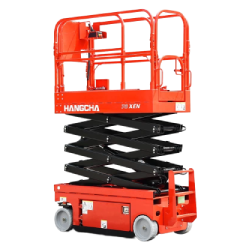


Emergency Lowering Procedures for Scissor and Boom Lifts
Emergency lowering procedures differ between manufacturers and models. Trained responders should use the site rescue plan and the specific equipment operating manual to select a safe method.
Assess the Platform Controls
If the operator is safe and the machine is stable, assess whether normal platform functions remain available. Avoid movements that could cause entrapment, collision, or instability.
Use Approved Ground Controls
Where the equipment and rescue plan permit it, a trained responder may operate the ground controls while maintaining communication with the platform occupants.
Use the Emergency Descent System
If normal operation is unavailable, qualified personnel may use the manufacturer's emergency lowering arrangement after assessing the risks. Do not improvise hydraulic or mechanical adjustments.
Escalate to Specialist Rescue
If the platform cannot be lowered safely, activate the established rescue escalation procedure. Specialist responders or emergency services may be required depending on the situation.
Unsafe Rescue Actions That Must Be Avoided
Never attempt an uncontrolled transfer from the platform to a nearby structure. Do not use ladders, improvised platforms, forklifts, or unsuitable equipment for rescue. Do not allow untrained personnel to experiment with the controls or hydraulic components. Do not force the boom or lifting mechanism or attempt uncontrolled lowering. Do not ignore unstable ground, electrical hazards, wind, or surrounding traffic.
Any exceptional platform transfer must be part of an approved, specifically assessed rescue method performed by competent responders.
Using Ground Controls Safely During a Rescue
Ground controls can form part of an effective rescue response, but their operation must be assigned to personnel familiar with the specific machine and its emergency procedures.
Keep reliable voice or radio contact with the occupants. Confirm that any proposed movement is safe before proceeding.
Any authorized lowering or repositioning must follow the manufacturer-approved procedure, avoiding abrupt movements and additional hazards.
Assess nearby obstacles, the boom or scissor mechanism, potential pinch points, and the space below the platform before initiating movement.
What If Emergency Lowering Fails?
A failed emergency lowering system or an obstructed platform may require specialist rescue intervention. The decision must consider the equipment position, ground conditions, occupant condition, and available trained responders.
A second mobile elevating work platform may be considered only when an approved rescue method, suitable equipment, competent personnel, and a specific risk assessment support it. Never improvise a transfer between elevated platforms.
Medical and Environmental Risks During Rescue
Determine whether anyone is injured, trapped, distressed, dehydrated, or experiencing heat-related symptoms. Arrange medical assistance promptly when necessary.
Saudi Arabia's high temperatures, strong winds, dust, overhead electrical lines, and nearby equipment can significantly affect rescue planning.
Pre-Job Aerial Lift Rescue Planning Checklist
What Supervisors Should Prepare Before Work Starts
What to Do After an Aerial Lift Rescue
Successfully lowering the occupants is not the end of the incident. The equipment must be assessed, the event documented, and the cause investigated before work resumes.
Remove the Lift from Service
Tag out the affected equipment and do not reuse it until the fault has been investigated and the machine is cleared by authorized personnel.
Document the Incident
Record the symptoms, machine condition, rescue actions, site circumstances, and persons involved.
Review Training and Procedures
Identify opportunities to improve communication, rescue preparation, and practical emergency drills.
Review Maintenance Records
Check inspection history, fault reports, and maintenance actions to help prevent similar incidents.
Choosing Suitable Access Equipment for Safer Operations
Selecting the correct equipment and understanding its emergency systems are essential elements of site preparation. Different models have different operating limits and emergency lowering arrangements.
Explore our scissor lift equipment for primarily vertical access, or browse boom lift equipment for applications requiring horizontal outreach.
Final Recommendations for Aerial Lift Emergency Preparedness
Remember: The machine operating manual, a site-specific rescue plan, and trained personnel must guide every rescue decision.
Effective emergency preparation helps protect personnel, reduce confusion, and improve the response to unexpected equipment failures during work at height.
Need Reliable Aerial Lift Equipment for Your Project?
Ramz Rikaz Al Joudah Trading Est. (RJTE) provides scissor lift and boom lift rental solutions for construction, industrial, and maintenance projects in Saudi Arabia. Contact our team to discuss working height, platform capacity, site conditions, and equipment availability.

Comments (0)