Safety Tips for Operating an Aerial Lift
Learn the essential safety tips for operating an aerial lift, including pre-use inspections, hazard awareness, proper platform behavior, and best practices for safe work at height.
Aerial Lift Safety Tips: Safe Operation of Scissor and Boom Lifts
Why Aerial Lift Safety Matters on Construction Sites
Mobile Elevating Work Platforms (MEWPs) provide access to elevated work areas, but they also introduce serious risks when used incorrectly. Common hazards include unstable ground, overhead obstacles, excessive wind, energized power lines, platform overloading, and unsafe operator behavior.
Safe operation starts before the platform is raised. Equipment inspections, risk assessments, operator competence, and effective communication are essential during every shift.
Understand Your Aerial Lift: Scissor Lift vs Boom Lift
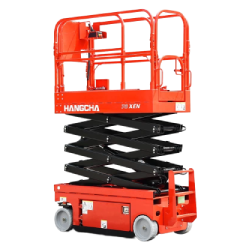
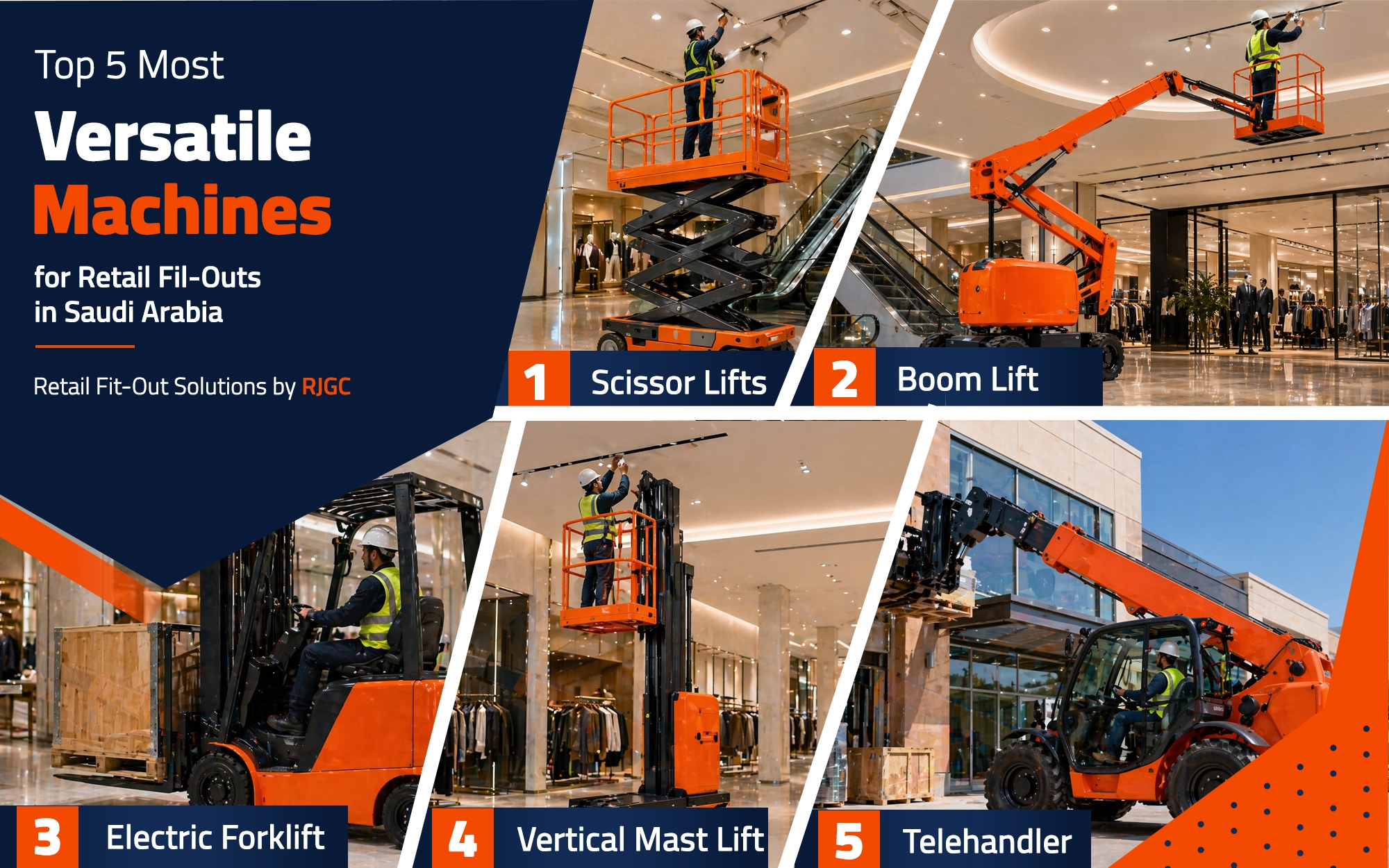
Scissor lifts provide primarily vertical access and are commonly used for warehouse maintenance, installation work, and construction activities. Ground suitability and operating limits depend on the specific model.
Explore our scissor lift equipment for different working heights and applications.
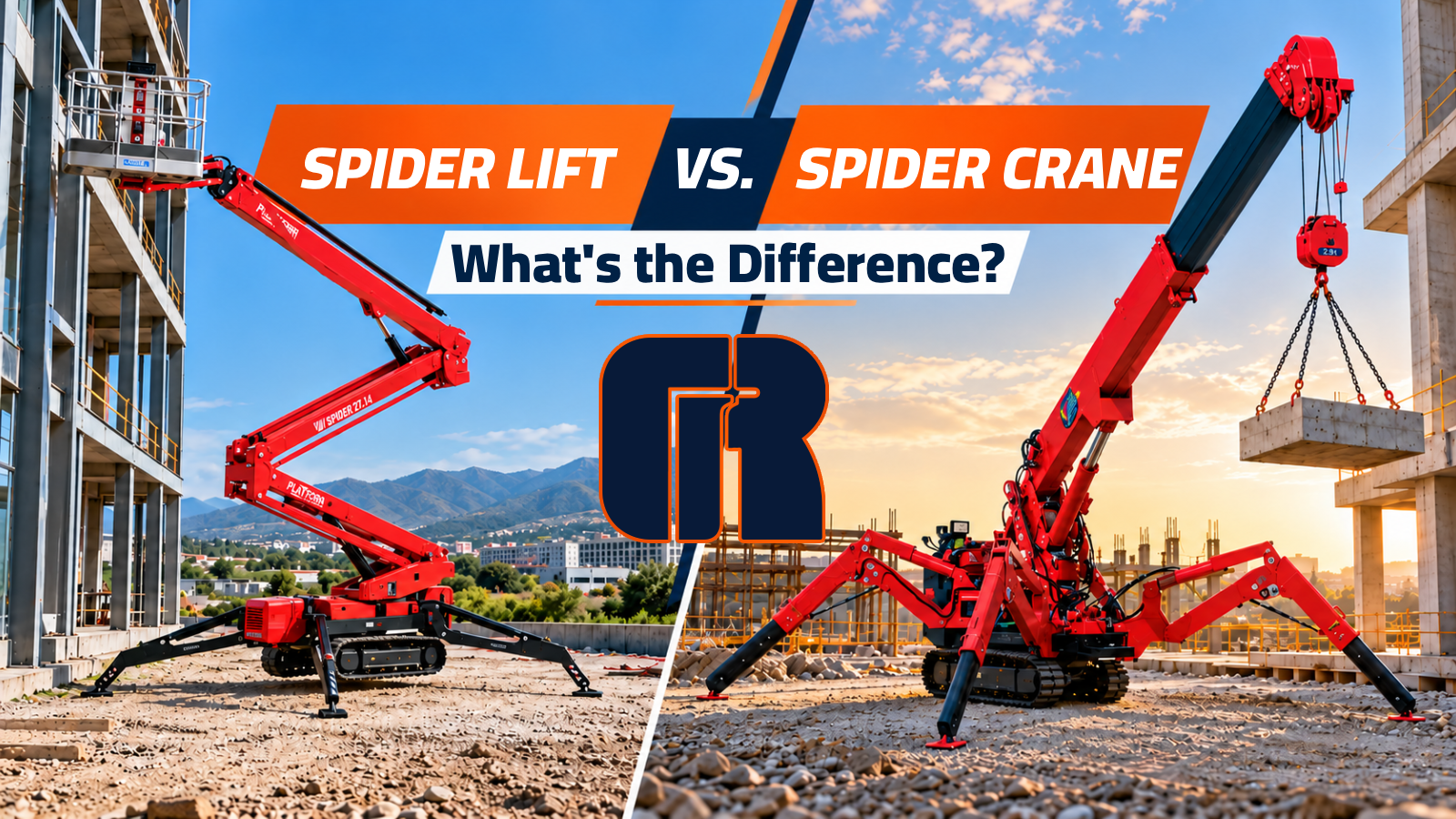
Boom lifts provide vertical and horizontal outreach for facade maintenance, steel structures, industrial installations, and difficult-to-access areas.
Browse our boom lift equipment to compare articulating and telescopic options.
Pre-Operation Aerial Lift Inspection Checklist
Inspect the machine and its work environment before each shift. If a safety-critical defect is found, remove the equipment from service until properly inspected and repaired.
Check tires, wheels, stabilizers, guardrails, gates, and platform flooring. Look for hydraulic leaks, structural damage, loose fasteners, and damaged hoses. Test operating controls, emergency stops, alarms, brakes, and emergency lowering functions according to the manual. Verify that safety labels, load ratings, and operating instructions are legible.
Confirm that ground conditions meet the machine's support and slope requirements. Identify trenches, holes, curbs, soft ground, and unprotected edges. Check for overhead structures, electrical lines, and restricted clearances. Control nearby traffic and pedestrian movements.


Essential Safety Rules Before Raising an Aerial Lift
Use Qualified Operators
Operators must be trained, familiarized with the specific equipment, and authorized to perform the work.
Respect Platform Capacity
Never exceed the rated load capacity. Include workers, tools, materials, and accessories when calculating the load.
Use Appropriate Fall Protection
Wear the required personal protective equipment. Use a suitable harness and restraint or fall-arrest system when required for the equipment and applicable safety rules. Attach only to approved anchor points.
Review the Work Plan
Discuss access routes, overhead hazards, exclusion zones, communication, and emergency rescue arrangements.
Safe Operating Practices for Scissor and Boom Lifts
During operation, maintain smooth movements, monitor platform stability, and remain aware of surrounding workers and equipment.
Keep both feet on the platform floor. Never stand on guardrails, ladders, boxes, or other objects to increase height. Keep the access gate secured.
Avoid sudden starts, stops, and unnecessary movements. Controlled operation helps reduce platform sway and collision risks.
Travel with the platform elevated only when permitted by the manufacturer, on suitable ground, and within the machine's travel-height restrictions.
Establish exclusion zones when necessary, monitor pedestrian and vehicle movements, and use a trained spotter where visibility or clearance is restricted.
How to Prevent Aerial Lift Tip-Overs
Tip-over prevention depends on appropriate ground assessment, machine positioning, and strict compliance with operating limits.
Do not operate on unstable surfaces or near unprotected excavations. Observe the manufacturer's permitted slope and ground conditions. Deploy outriggers and stabilizers where required. Never use the platform as a crane or to push or pull structures. Distribute tools and materials safely within rated load limits.
Electrical Safety: Working Near Power Lines
Overhead power lines represent a serious electrocution hazard. Assume electrical conductors are energized unless the utility owner confirms that they have been isolated and made safe.
Maintain the applicable minimum approach distances based on voltage, regulations, and site procedures. If safe clearance cannot be maintained, stop the work and obtain an appropriate isolation or alternative access arrangement.
Operating Aerial Lifts in Wind and Bad Weather
Strong winds can affect machine stability. Never exceed the manufacturer's maximum wind-speed rating, and account for wind exposure and materials carried.
Rain, dust storms, lightning, and poor visibility can affect safe operation. Suspend work when conditions compromise stability, visibility, electrical safety, or communication.
Fall Protection and Safe Platform Behavior
Guardrails provide important protection, but they do not replace proper procedures. Fall-protection requirements depend on platform type, manufacturer instructions, applicable standards, and site rules.
Golden Rules for Working at Height
Emergency Preparedness and Rescue Procedures
Every aerial lift operation should have a suitable emergency response and rescue plan. Operators and designated ground personnel should understand the equipment's emergency procedures.
Know how emergency stops and ground-level emergency lowering controls work. Identify the people responsible for initiating and assisting with rescue. Keep the area beneath an affected platform clear. Remove defective equipment from service until authorized inspection and repair.
Aerial Lift Safety Responsibilities for Site Supervisors
Safe aerial lift operation requires coordination between operators, supervisors, maintenance personnel, and site management.
Verify Documentation
Check inspection records, equipment condition, operator authorization, and applicable certificates.
Select Suitable Equipment
Confirm working height, horizontal outreach, platform capacity, ground suitability, and access restrictions.
Control Work Zones
Use barriers, warning signs, and spotters where needed to manage nearby traffic and pedestrian movements.
Stop Unsafe Operations
Suspend work when weather, ground conditions, equipment performance, or site activities create unacceptable risks.
Final Aerial Lift Safety Recommendations
Before operating: Inspect the equipment, verify site conditions, and review the work plan.
During operation: Respect load limits, maintain clearances, use appropriate fall protection, and respond immediately to unsafe conditions.
Consistent safety procedures and proper equipment selection can help reduce incidents, avoid unnecessary downtime, and support more productive operations.
Need the Right Aerial Lift for Your Project?
Ramz Rikaz Al Joudah Trading Est. (RJTE) provides scissor and boom lift rental solutions for construction, industrial, and maintenance applications in Saudi Arabia. Contact our team to discuss working height, platform capacity, site conditions, and equipment availability.
Comments (0)